
What is a Cinematographer?
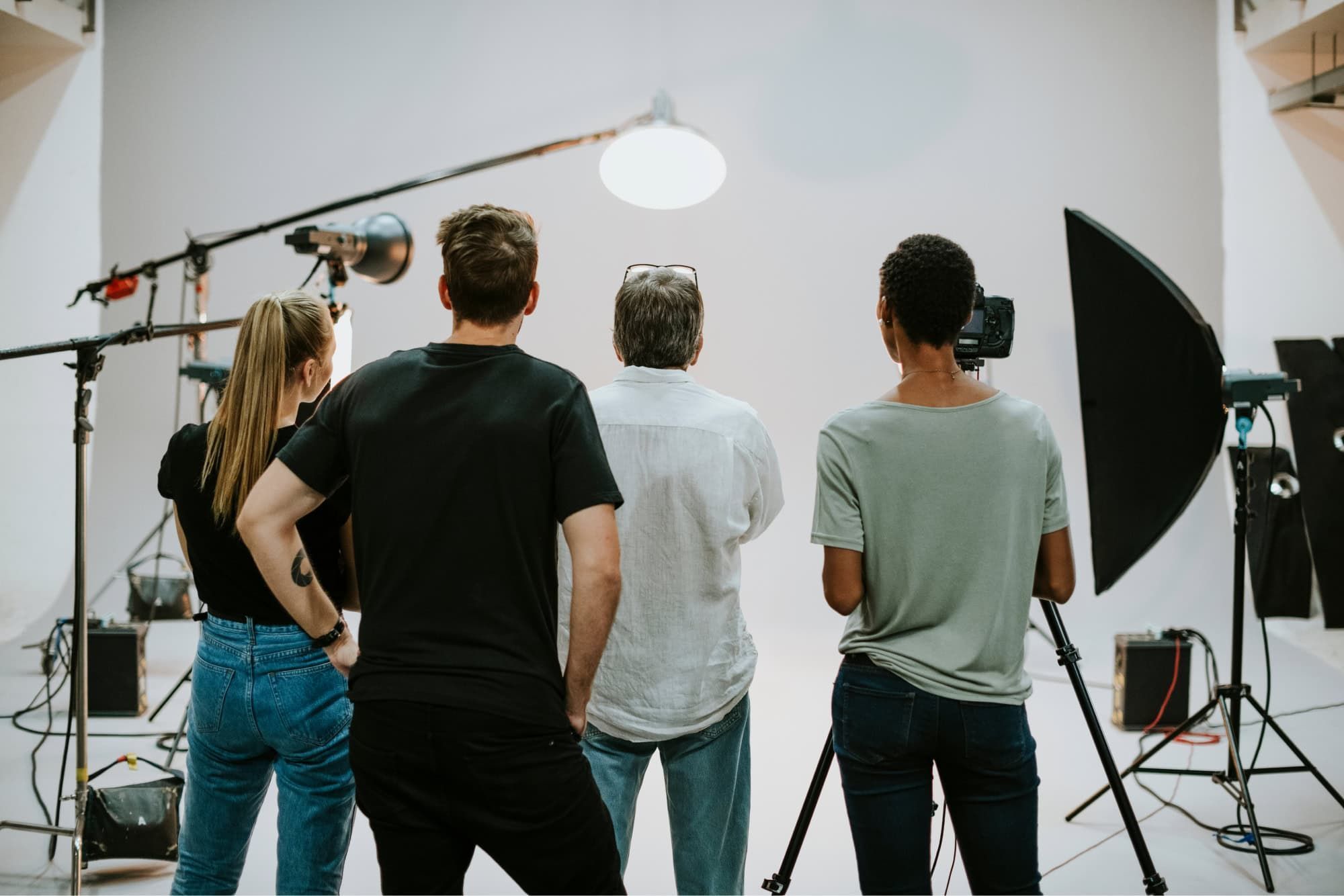
A cinematographer is the person responsible for how your video looks. Not the story, not the words, the look: the framing, the lighting, the movement, the feel of every shot. When a video looks expensive, or cheap, the cinematographer is usually why.
On a business shoot that matters more than people expect. A brand film, a product launch, a training series, they all live or die on whether they look like they belong to a company worth taking seriously. That is the cinematographer's job.
What a cinematographer actually does
Turns the idea into a picture
The director decides what the video is about. The cinematographer decides what it looks like, and makes the two match. They take the concept and the director's intent and translate it into real shots on a real day.
Chooses the kit
Camera, lenses, rigs. The right choice depends entirely on the job: a locked-off interview and a moving product hero need completely different setups. Good cinematographers pick for the shot, not for the spec sheet.
Owns the light and the frame
Lighting is where most of the look is made. So is composition, where the subject sits in frame, what is sharp, what falls away. These are the decisions that separate footage that feels flat from footage that feels considered.
Directs the camera
Every movement, push, pan, hold, tilt, is a choice about how the viewer feels. A camera that drifts in during a testimonial pulls you closer to the person. A static frame keeps you at a professional distance. None of it is accidental.
The skills behind the look
Camera work
Knowing the gear cold: exposure, focus, frame rate, how a lens renders a face. The fundamentals that make footage usable before anyone talks about style.
Lighting
Light sets the mood before a word is spoken. Soft and even reads as trustworthy and corporate. Hard and directional reads as dramatic. A cinematographer reads the brief and lights to it.
Colour
The grade in post is where the mood gets finished. Warm, cool, rich, muted, colour tells the viewer how to feel, quietly, before they have worked out why.
Composition
Where the subject sits, how the frame is balanced, what the eye goes to first. The rules exist so you can use them on purpose, and break them on purpose.
How the work flows
Before the shoot
The look is planned here, not improvised on the day. The cinematographer sets the visual style, the lighting approach and the shot list with the director, so the shoot day is execution, not invention.
On the day
Now it is about getting it, and getting it consistently. Lighting each setup, holding the look across every shot, catching the frame that was not in the plan. Experienced crews make this look calm because they have done it a thousand times.
After
The cinematographer's decisions carry into the edit, where the grade and finishing lock in the look the shoot captured. Great footage badly graded still disappoints; the two are one job.
Why it matters more than the camera
Brands often ask what camera we shoot on. It is the wrong question. The same camera in two different hands produces two completely different films. The cinematographer, the eye behind it, is what turns a filmed event into something that actually looks like your brand.
It is also why consistency is a production problem, not a talent lottery. When the same team and the same standards run every shoot, the look holds across markets and projects instead of resetting every time you hire someone new.
Want your video to actually look the part?
That is the whole point of a proper crew. yourfilm films and finishes on one connected platform, with vetted cinematographers held to one standard wherever you shoot. If you have something in mind, tell us what you are building.