
What is a Green Screen?
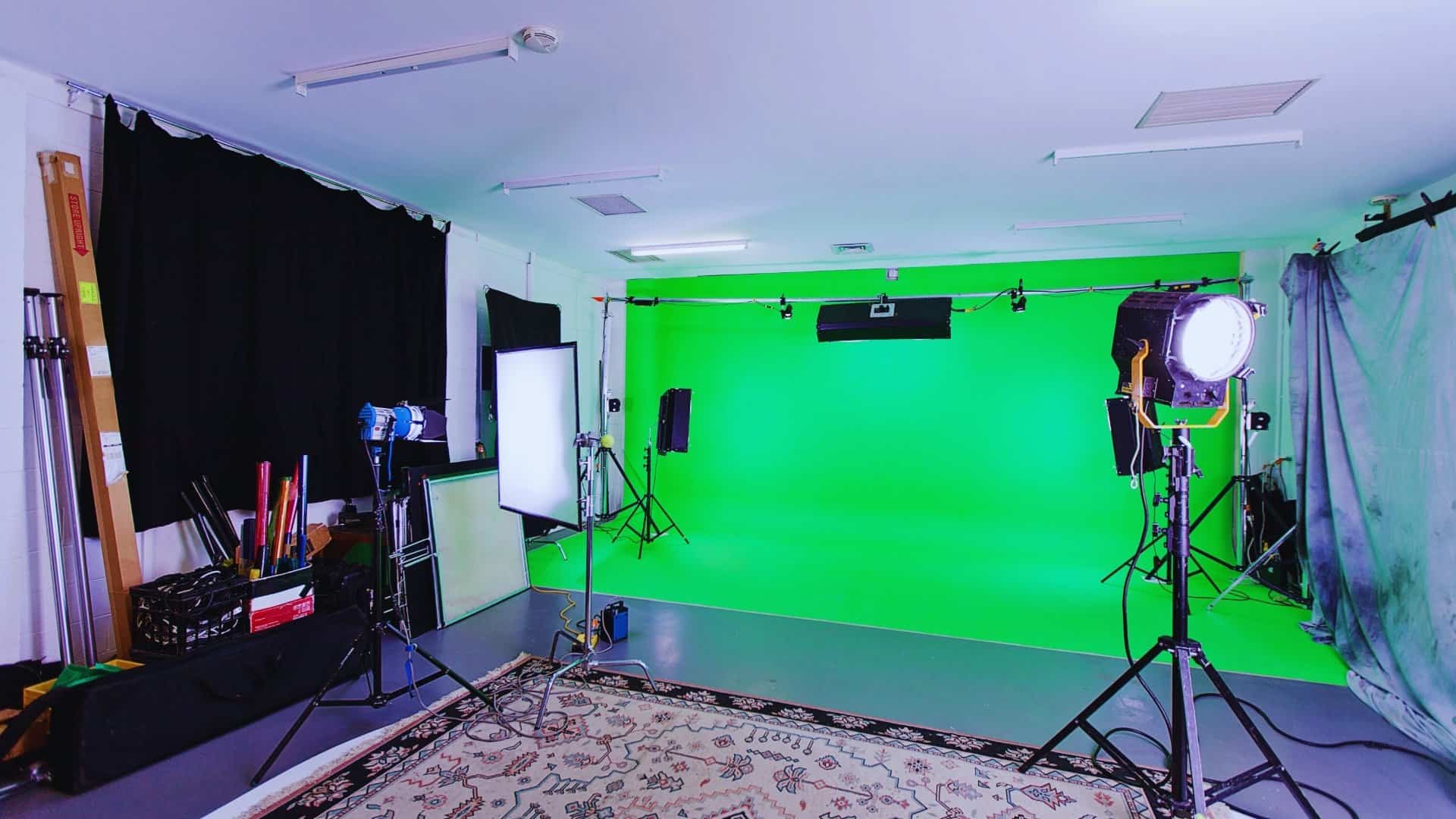
A green screen lets you film someone in a studio and drop them anywhere. You shoot your subject against a flat green backdrop, then in editing you swap that green for any background you want: a location, a graphic, a branded set that never physically existed.
For a brand, that is freedom. One studio day can produce content set in a dozen places, on brand, without the cost or the logistics of building or travelling to any of them. Used well, it is one of the most efficient tools in video production. Used badly, it looks exactly as cheap as everyone fears. The difference is almost entirely in how it is shot.
How green screens work
Chroma keying
The technique behind it is called chroma keying. Software finds one specific colour in the footage, green, and removes it, leaving a clean cut-out of your subject that you can place over anything. Green is used because it is the furthest from human skin tones, so the software rarely mistakes a person for the background.
Swapping the background
Once the green is gone, editors drop in whatever you need behind the subject: a filmed location, a still, an animation, a virtual set. The key to it looking real is matching the lighting and perspective of the subject to the background, which is a decision made on the shoot day, not fixed in the edit.
What a clean key needs
Three things make or break it: an evenly lit backdrop with no shadows or hot spots, enough distance between the subject and the screen to avoid green bouncing onto them, and a subject wearing nothing green. Get those right on set and the edit is easy. Get them wrong and no amount of post fixes it cleanly.
Green screen versus the alternatives
Blue screen
Same idea, different colour. Blue is used when the subject has to wear green, or for certain lighting and effects work. Green is the default for most business video simply because it needs less light to key cleanly.
Real sets
A physical set looks unimpeachably real, but it costs to build, takes time, and only gives you one location. Green screen trades a little of that realism for enormous flexibility. Which is right depends on the job.
LED walls and virtual production
The newer option: giant LED screens that display the background live, so the subject is actually lit by the scene and the team sees the final look on set. It is spectacular and expensive. Green screen remains the practical, affordable choice for the vast majority of brand work.
Setting up a green screen studio
The backdrop
Fabric or painted wall, wrinkle-free and consistent. Creases and uneven colour create shadows the software reads as detail, which is where bad keys come from.
Lighting
This is the whole game. The screen has to be lit flat and even, separately from the subject, so the software sees one clean colour. Most green screen work that looks cheap was simply lit badly.
Camera and distance
A capable camera, the right settings, and real distance between subject and screen to kill green spill. The crew setting it up matters more than the gear list.
Where it gets hard
Spill. Green light bouncing off the screen onto your subject's edges and hair, giving them a faint green halo the key struggles to remove. Distance and lighting prevent it.
Uneven light. Any inconsistency across the screen shows up as a patchy key. Even lighting is non-negotiable.
Edges and movement. Fine detail like loose hair, and fast movement, are where keys break down. Planning the shot around those limits beats fighting them in post.
Why it is worth getting right
Done properly, green screen gives a brand reach that would otherwise be impossible on the budget: consistent settings across every market, product visualisations, presenters placed into branded environments, all from one controlled studio day. The technology is not the hard part. Shooting it so it looks real is, and that comes down to the crew and the lighting, not the software.
Thinking about green screen for your next project?
It is one of the most efficient ways to produce flexible, on-brand content, when it is shot right. yourfilm plans, films and finishes on one connected platform, with crews who know how to light a clean key. Tell us what you are building.